“A sustained source of livelihood through tasar reeling and spinning, and the inspiration and support from Smt. Pooja Verma, have given purpose to our lives,” say women after their release from jail. Indian Silk magazine spoke to two of them, now working in the Samiti’s trainer team at Chintoor, Andhra Pradesh.
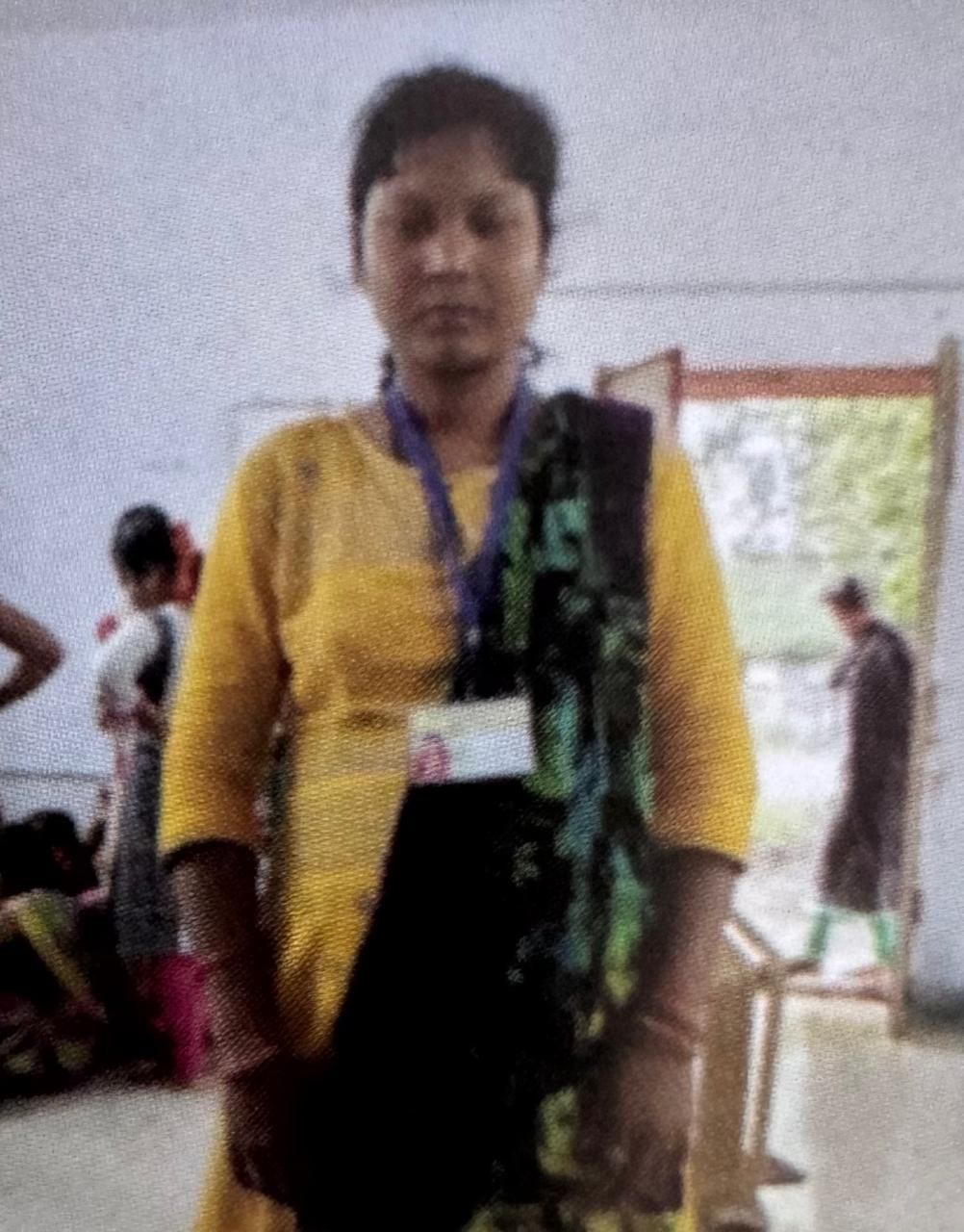
Bharati joined Smt. Pooja Verma in her training assignment at Chintoor. In jail, she had received skill training for other trades too, but she says it was Smt. Pooja Verma’s counselling that made the difference.
“Spinning of tasar cocoons has given momentum to our perished life, and provided me an identity in the society, since I am no more a burden to the family. Instead, I can support them with earnings of my own from a legitimate yet rewarding activity.”
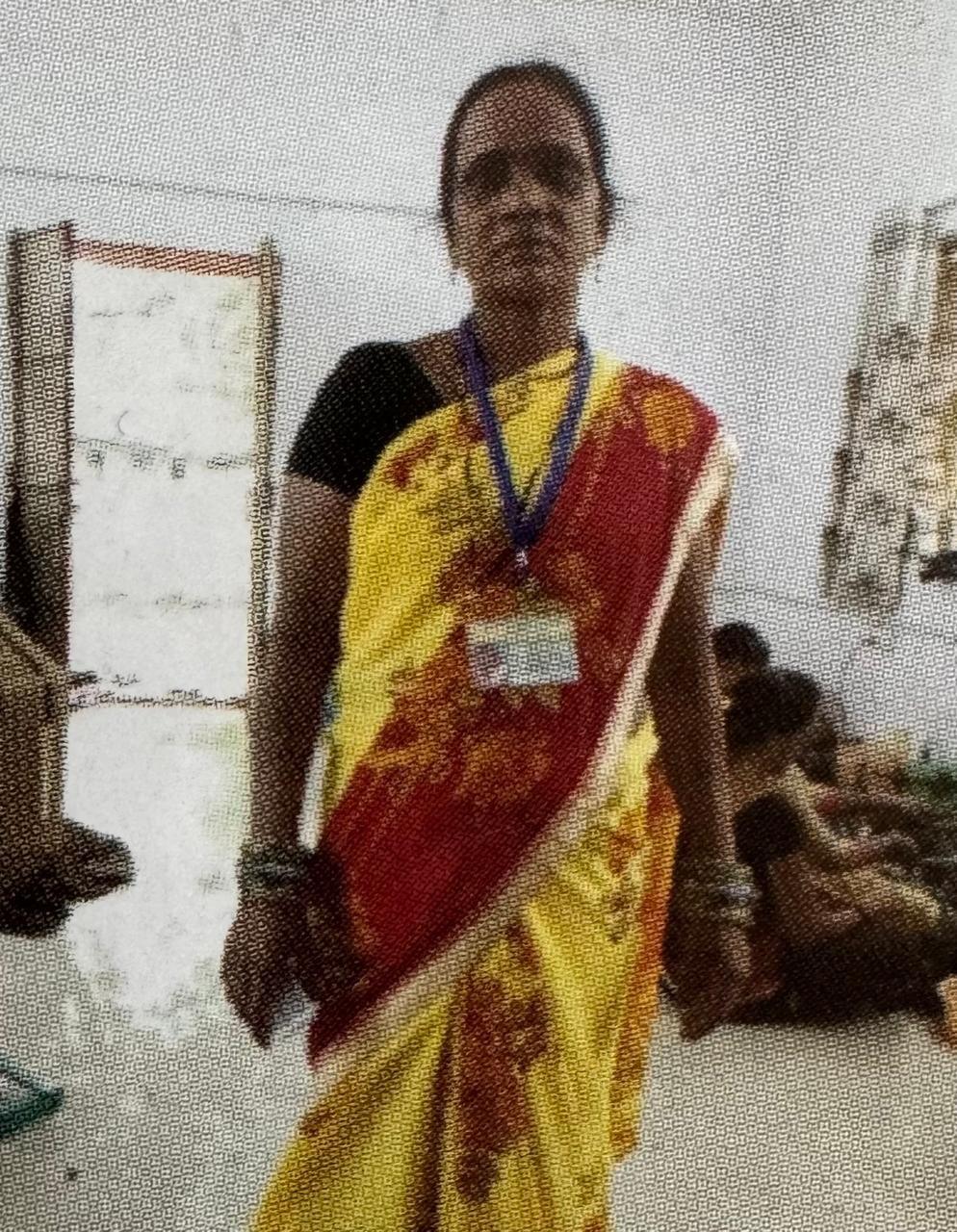
Amar Bai has joined the Samiti as a trainer for landless women. Fifteen days of training in Tasar spinning inside jail gave her confidence. After training, she worked for four to five more months, improving her efficiency and productivity.
“We are no more identified by a quadi (prisoner) number. Now we are known by our work that got us a name.”
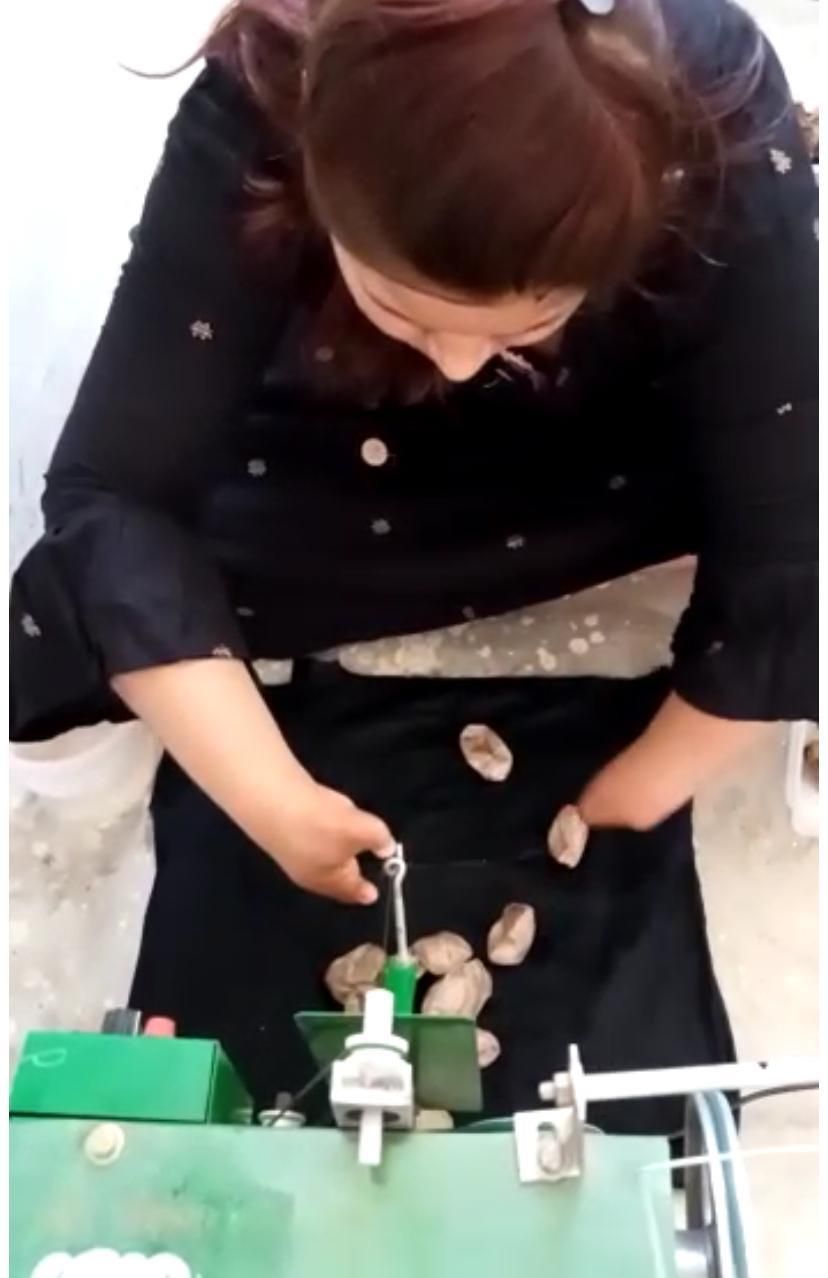
Disability of any kind is no bar for a skilled and determined person. Priya was born with almost no fingers on both hands. She joined the SAMARTH Vanya reeling and spinning programme, run by Astitva Mahila Samiti as an Implementing Agency of the Ministry of Textiles, Government of India, since 2021.
Within just 3 to 4 days of training, she was reeling and spinning with ease. Her dedication and skill are appreciated everywhere.
From tribal villages in Andhra Pradesh to a prison courtyard on Diwali morning, and from Bengaluru to New Delhi, these are the moments that carried our work forward.
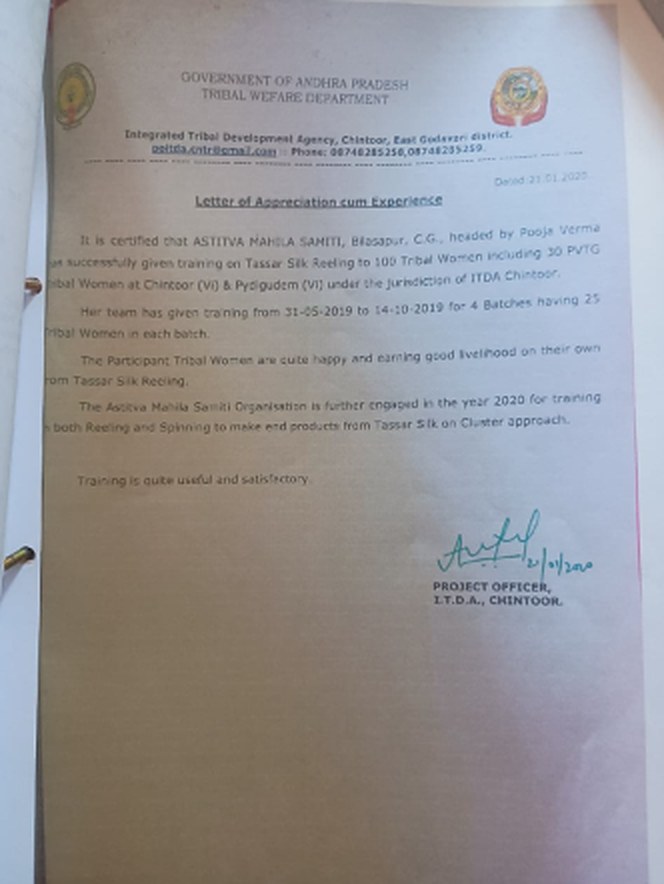
Entrusted by the Project Officer (PO), Integrated Tribal Development Agency (ITDA), Chintoor, the Samiti trained 100 tribal women, including 30 women from Particularly Vulnerable Tribal Groups (PVTG), in Tasar silk reeling at Chintoor and Pydigudem. The training ran from 31 May to 14 October 2019 in four batches of 25 women each, led by a trainer team that included women who had themselves learnt the craft at Central Jail, Bilaspur.
“The participant tribal women are quite happy and earning good livelihood on their own from Tasar silk reeling. Training is quite useful and satisfactory.”
Letter of Appreciation cum Experience, Project Officer, ITDA, Chintoor (January 2020). On the strength of this work, the Samiti was engaged again in 2020 to train women in both reeling and spinning, making end products from Tasar silk on a cluster approach.
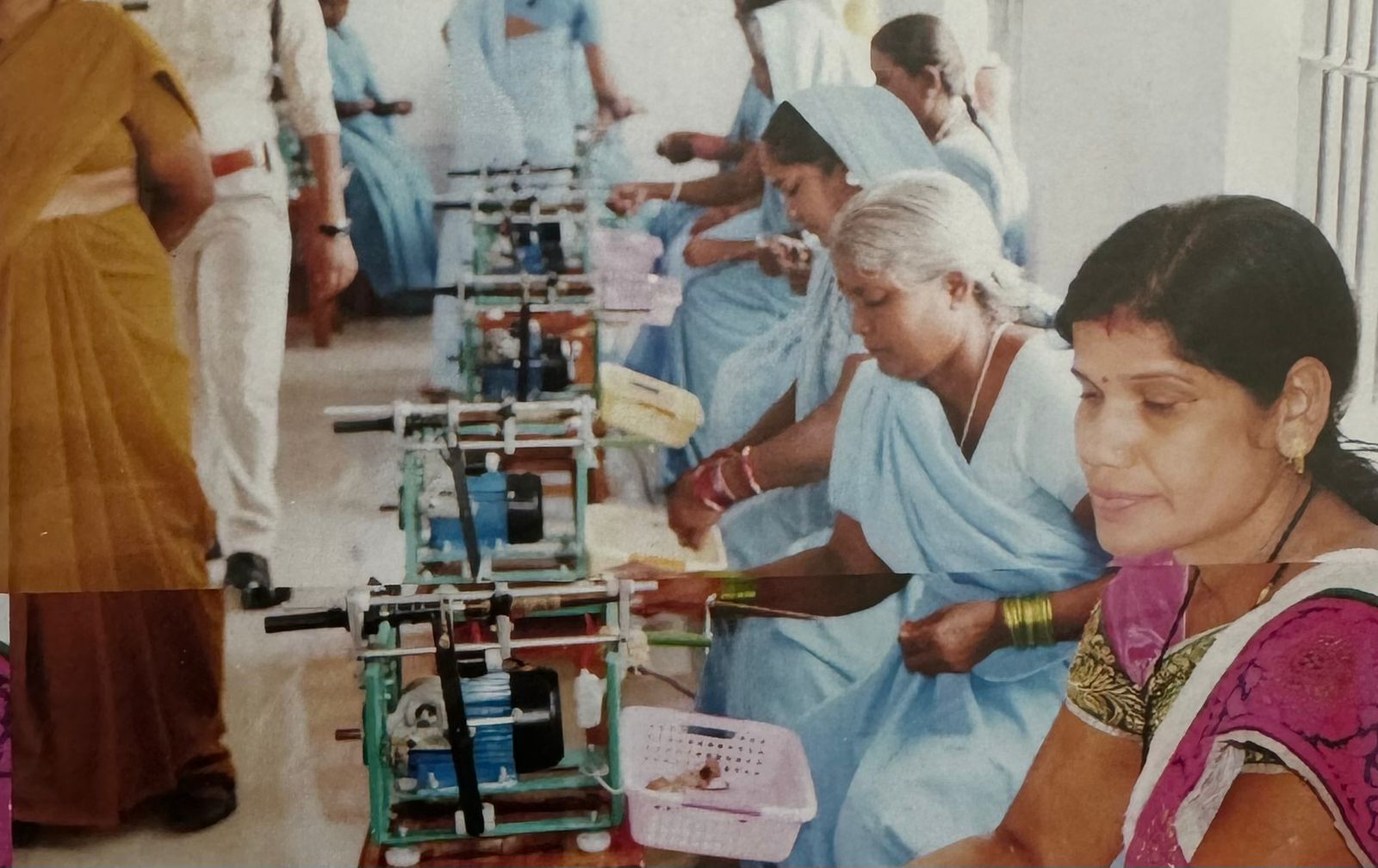
On 22 October 2019, Karen and Terry, visiting from Canada to document India’s Tasar silk, met Smt. Pooja Verma and her family in Bilaspur. Five days later, on Diwali, she took them into Central Jail, Bilaspur. In a bright spinning room, women in sky-blue saris spun even, smooth yarn of the highest quality directly from pierced cocoons. After twelve to eighteen months of training, they had gained a valuable skill, and the most gifted had become master spinners who travel with the Samiti to train women in other states and districts.
“The ability to earn a wage gives women prisoners a higher status and, it is hoped, will increase their acceptance back into their families and villages upon release.”
From the chapter “Cocoon to Yarn—Tasar” in Karen and Terry’s book. Read the book pages →
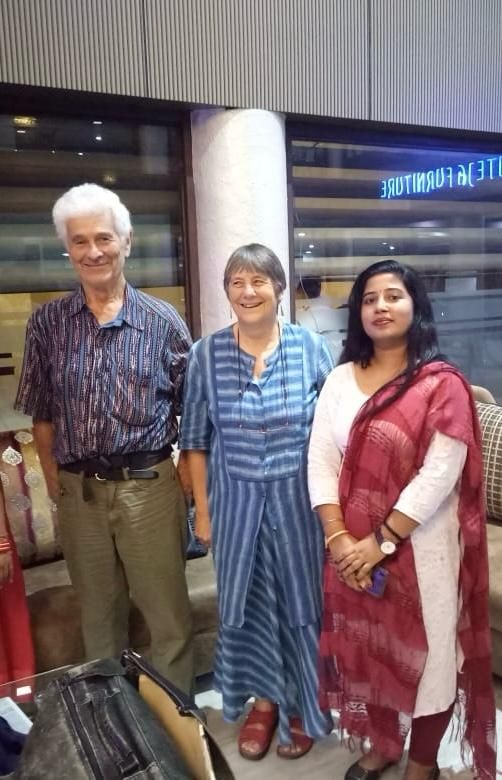
After their visit, Karen and Terry wrote to the Central Silk Board requesting reeling machines for the Samiti. On 23 February 2020, Smt. Pooja Verma called them in Canada with the news: the request had been granted, and she had travelled to Bengaluru to receive 100 Buniyaad reeling machines along with cocoons. More women would now have work. Their support created new livelihood opportunities and strengthened our mission of empowering women through skill development and sustainable employment.
“Oh Pooja, we are so thrilled. This is the best birthday gift I’ve ever received.”
Karen, on the phone call from India, as recorded in the book. We remain deeply grateful for their valuable contribution.
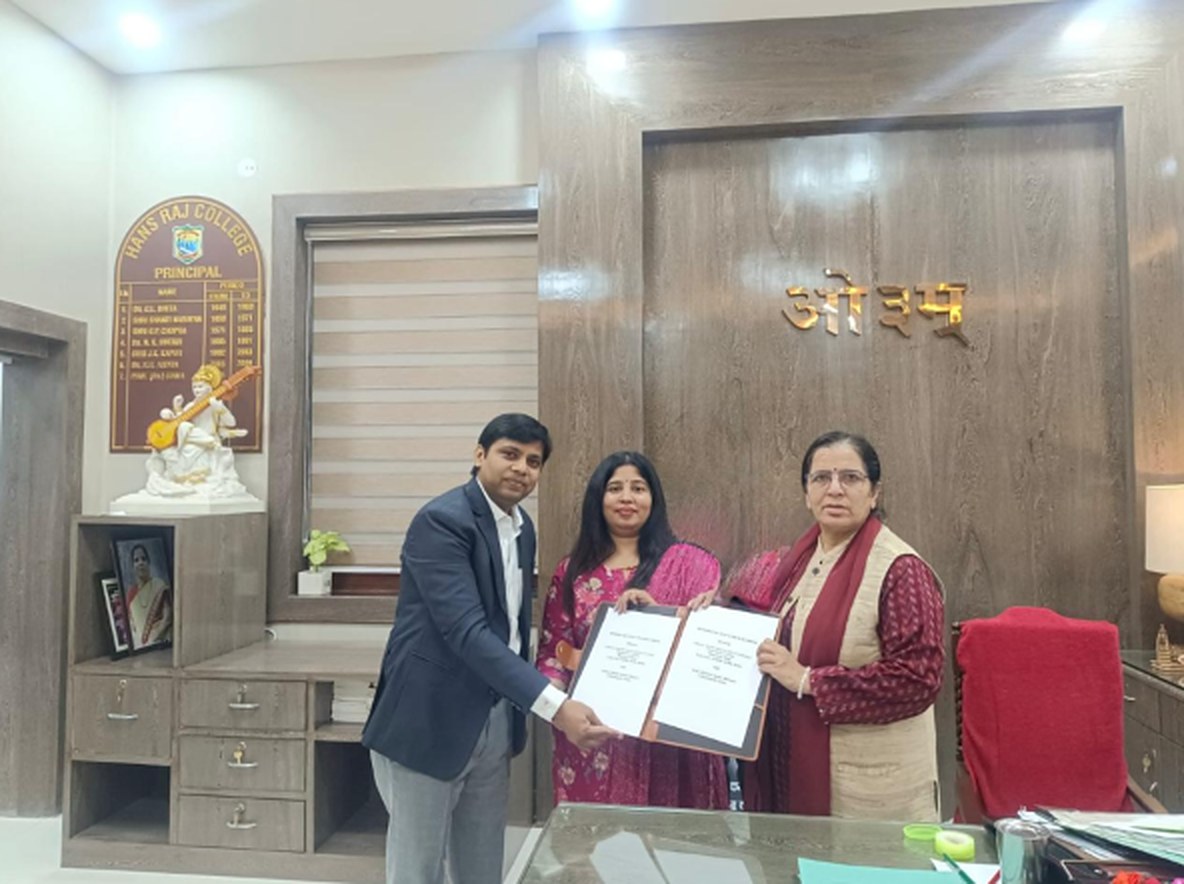
The Centre for Skill Development and Seri-technology and the Department of Zoology, Hansraj College, University of Delhi, entered into a Memorandum of Understanding with Astitva Mahila Samiti, Bilaspur, sharing a common desire to explore, extend and strengthen the functional relationship between CSDS-DZ-HRC and the Samiti.
A partnership to share the facilities and expertise available with each institution, bringing academic seri-technology and grassroots skill training closer together.